How Oud Conquered Global Perfumery
From sacred ceremonies to global luxury - how oud conquered perfumery.
The rise of oud fragrance over the past two decades represents one of the most remarkable cultural shifts in the history of modern perfumery. Once revered almost exclusively across the Middle East and Asia - burned in temples, worn by royalty, traded at extraordinary cost - oud is now a cornerstone ingredient in luxury perfume houses worldwide.
So how did it happen? And what is it about oud that makes it so utterly compelling?

What is Oud?
The ingredient
Oud - also written oudh - is a powerful, resinous perfume oil extracted from agarwood: the dark, resinous heartwood that forms inside Aquilaria trees when they become infected by a particular mould. In response to the infection, the tree produces a rich, aromatic resin that permeates the wood over many years. The result is agarwood - and the oil extracted from it is oud.
Aquilaria oud trees are rare, slow-growing and increasingly endangered. Only a small percentage produce the resin at all, which is why oud oil commands extraordinary prices - more than double the value of gold by weight. It is, quite simply, one of the most expensive natural ingredients on earth.
Some perfumers use synthetic oud to achieve the effect at lower cost. But anyone with a discerning nose will notice the difference: synthetic versions lack the warmth, depth and complexity that make oud perfume so distinctive.

What Does Oud Smell Like?
The scent
Oud is not a subtle ingredient. Its potency is part of its power - and part of what divides opinion. Some find it instantly intoxicating; others find it overwhelming, describing notes of must, damp earth or even barnyard. The truth is that both reactions are valid: oud is one of the most complex natural materials in existence, and it reads differently on every skin.
To those who love it, oud meaning in fragrance goes far beyond a single note. It sits deep in the base of a perfume, anchoring and extending everything above it. Its character is dark, sweet, resinous and woody - threaded through with leather, spice and smoke. It lingers on the skin for longer than almost any other ingredient, releasing slowly and evolving throughout the day.
It blends beautifully with florals, with spice, with amber and with smoke - which is precisely why so many of the world's great luxury perfumes now feature it at their core.

The Wood of the Gods
Millennia of reverence
Oud's history spans thousands of years and crosses almost every major culture and religion. Early records trace its use to the third century, but its presence in ancient scriptures suggests it was revered long before that.
In the Old Testament, agarwood is referred to as the wood of the Gods. The Bible's Book of Proverbs references perfuming a bed with aloes - the ancient name for agarwood. According to the New Testament, Nicodemus brought agarwood for the embalming of Christ. The Song of Songs describes King Solomon perfumed with myrrh and incense.
The Prophet Muhammad burned agarwood during religious ceremonies - a tradition that continues in the Muslim world today. Buddhist monks used it for sacred prayer beads. In ancient Vietnam, China and Japan, wealthy households burned it as incense. In China, men of great standing even crafted their coffins from agar hardwood.
Perhaps most remarkably of all: King Louis XVI of France is said to have washed his clothes in oud oil, making it his personal signature scent.

The Oud Revolution
How oud went global
While oud has been used for thousands of years as a personal perfume across the Middle East, its international breakthrough is comparatively recent. Tom Ford is widely credited with introducing oud to a mainstream Western audience when he launched Oud Wood in 2007 - a fragrance that made the ingredient approachable without diminishing its power.
Since then, the appetite for oud perfume has been extraordinary. The ingredient's scarcity and complexity made it a natural fit for the growing luxury niche fragrance market. Its cultural mystique - rooted in centuries of sacred use - gave it a depth of story that synthetic or fashion-house fragrances simply could not replicate.
Growing interest in rare, sustainably sourced ingredients, combined with an increasingly sophisticated global fragrance consumer, created the perfect conditions for the oud revolution. Today it appears in everything from mainstream releases to the most rarefied luxury perfume houses - yet it has never quite lost its edge.
Nothing Makes a Statement Like Oud
Perfume has always been a form of self-expression - an extension of personality that transcends clothing, status or occasion. Oud takes that idea further than almost any other ingredient. Its sillage is remarkable: it demands attention, turns heads and lingers long after you have left the room.
Where other base notes fade, oud endures. Its performance on skin is unlike anything else in perfumery - fixing other notes in place, deepening over time and revealing new facets hours after application. This is what separates true oud oil from synthetic alternatives, and what has made it the defining luxury ingredient of modern perfumery.

Gladiator Oud
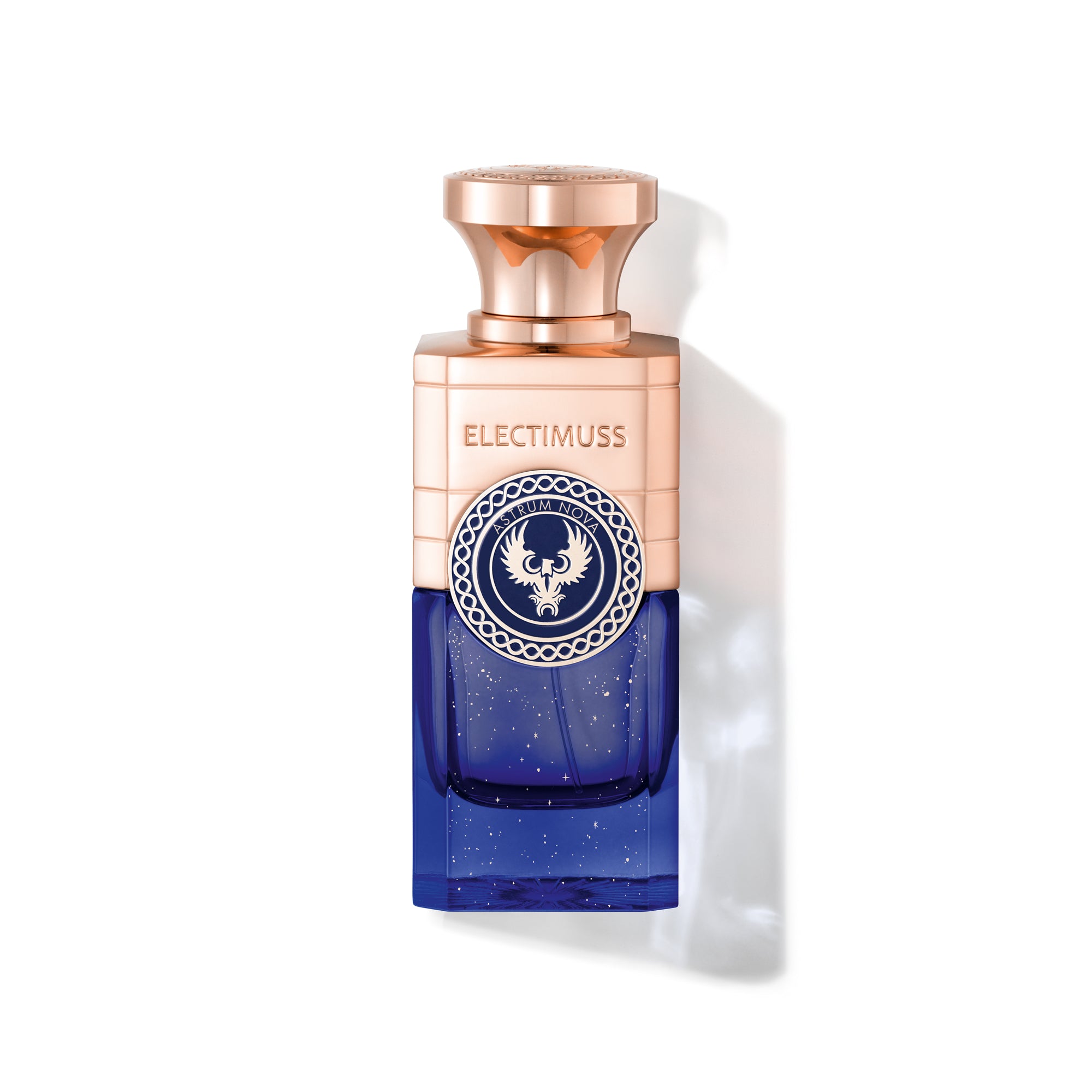
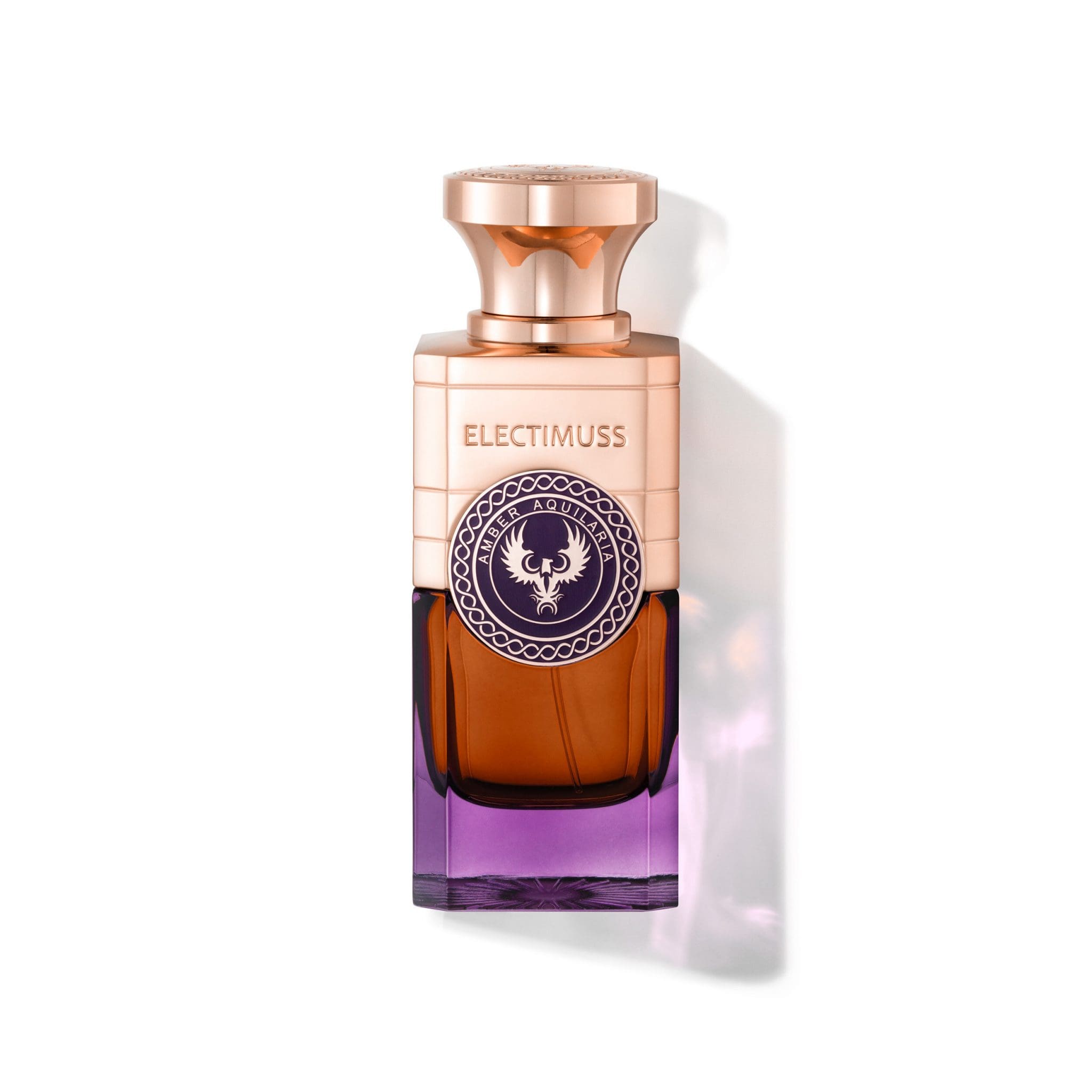
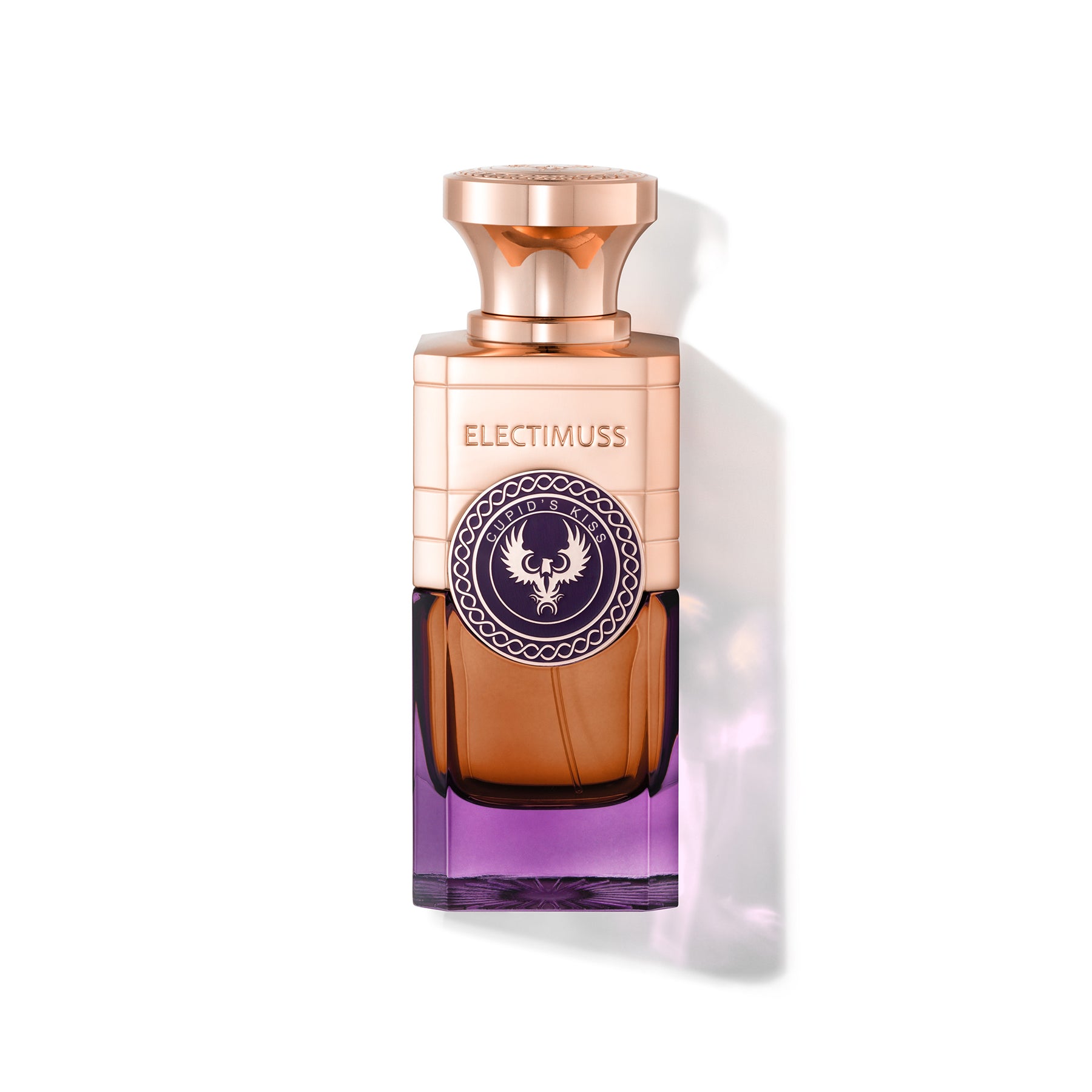
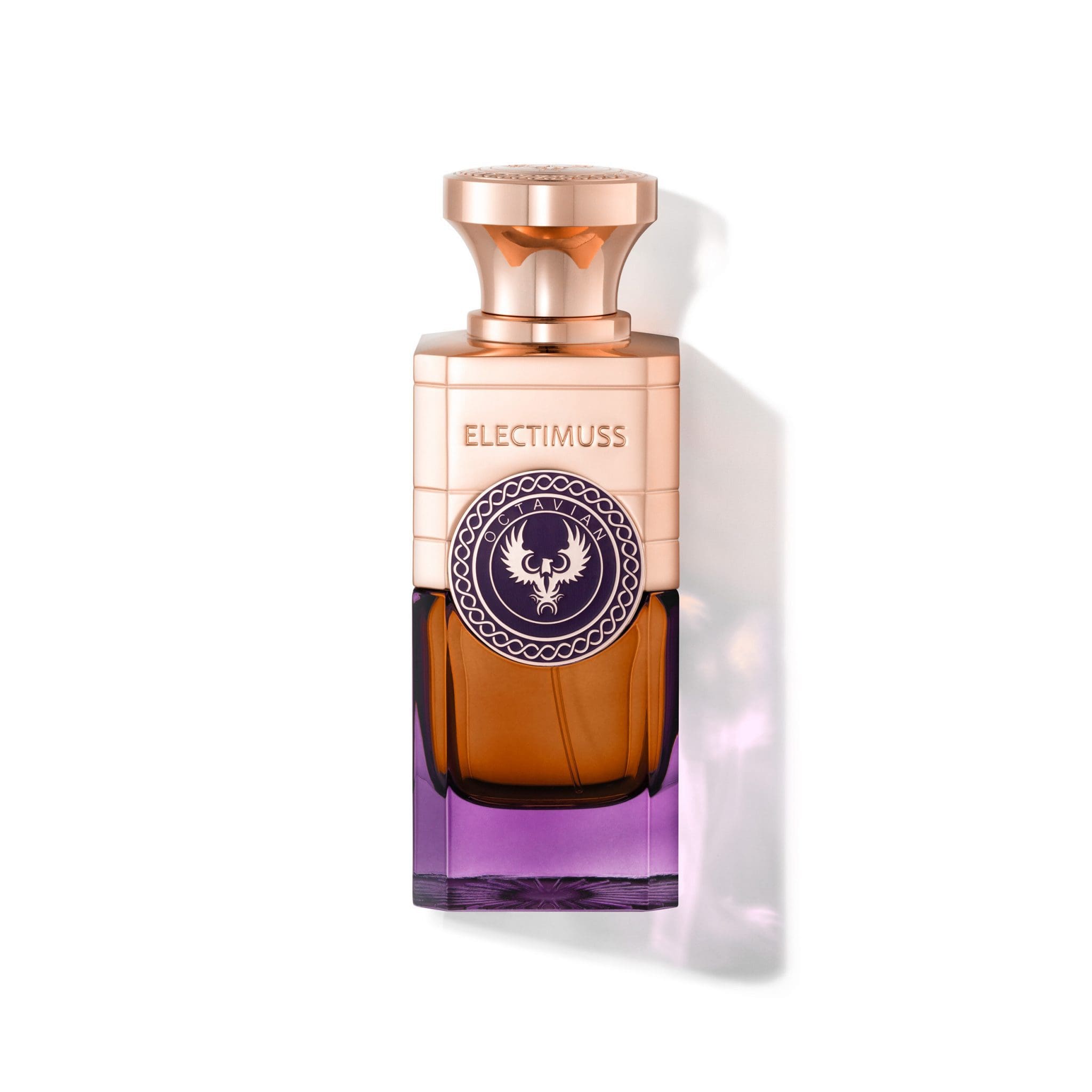
Electimuss
Spicy cumin and immortelle absolute. Warm hay, honey and oud at the heart. A fragrance built for the arena - powerful, virile and unmistakably present.
The scent of commanding strength.
Discover All Our Oud Perfumes
Explore the range
From bold standalone oud fragrances to more subtle blends where agarwood plays a supporting role, our full oud collection spans the spectrum of this extraordinary ingredient. Explore every expression.
#oud #oudperfume #agarwood #oudfragrance #luxuryoud