



Gourmand
Sweetness. Depth. Indulgence.
Vanilla, caramel, cherry and chocolate, rendered in Extrait de Parfum. The most seductive family in perfumery, built with a spine.
The irresistible pull of gourmand fragrances
Gourmand is the youngest of the great fragrance families, and the one that moves fastest. Gourmand perfumes are built from the language of the kitchen and the confectioner's table — vanilla, caramel, tonka, honey, chocolate, coffee and ripe fruit — and they work because those notes are hard-wired to memory. A gourmand fragrance does not announce itself across a room so much as pull people towards you.
At Electimuss we build ours as Extrait de Parfum at 25–35% concentration, and that changes what a sweet perfume can be. At extrait strength the sweetness has somewhere to go: resins, oud, ambergris and salt hold the sugar in place, so the fragrance deepens across the day rather than collapsing into syrup.
What makes a fragrance gourmand?
A gourmand is any fragrance whose central accord is edible. The category dates to 1992, when a patisserie accord was placed at the heart of a fine fragrance and proved that delicious could also be sophisticated. Everything since has been an argument about how far to take it.
The mistake is assuming gourmand simply means sweet. The finest examples in the family are built on contrast — sweetness pressed against wood, salt, smoke or bitterness, so that the two hold each other up. Read the base notes before the top notes, because the base is what decides whether a gourmand reads as luxurious or as sugary.
The family divides into five recognisable branches. Knowing which one you respond to is the fastest route to the right bottle, and each of ours is set out below.

The Dark Gourmand
Dark chocolate, coffee, amaretto and liqueur. Nocturnal, sensual and unmistakably adult — this is the branch that broke the family out of its sweet-and-feminine reputation, because bitterness does as much work here as sugar.
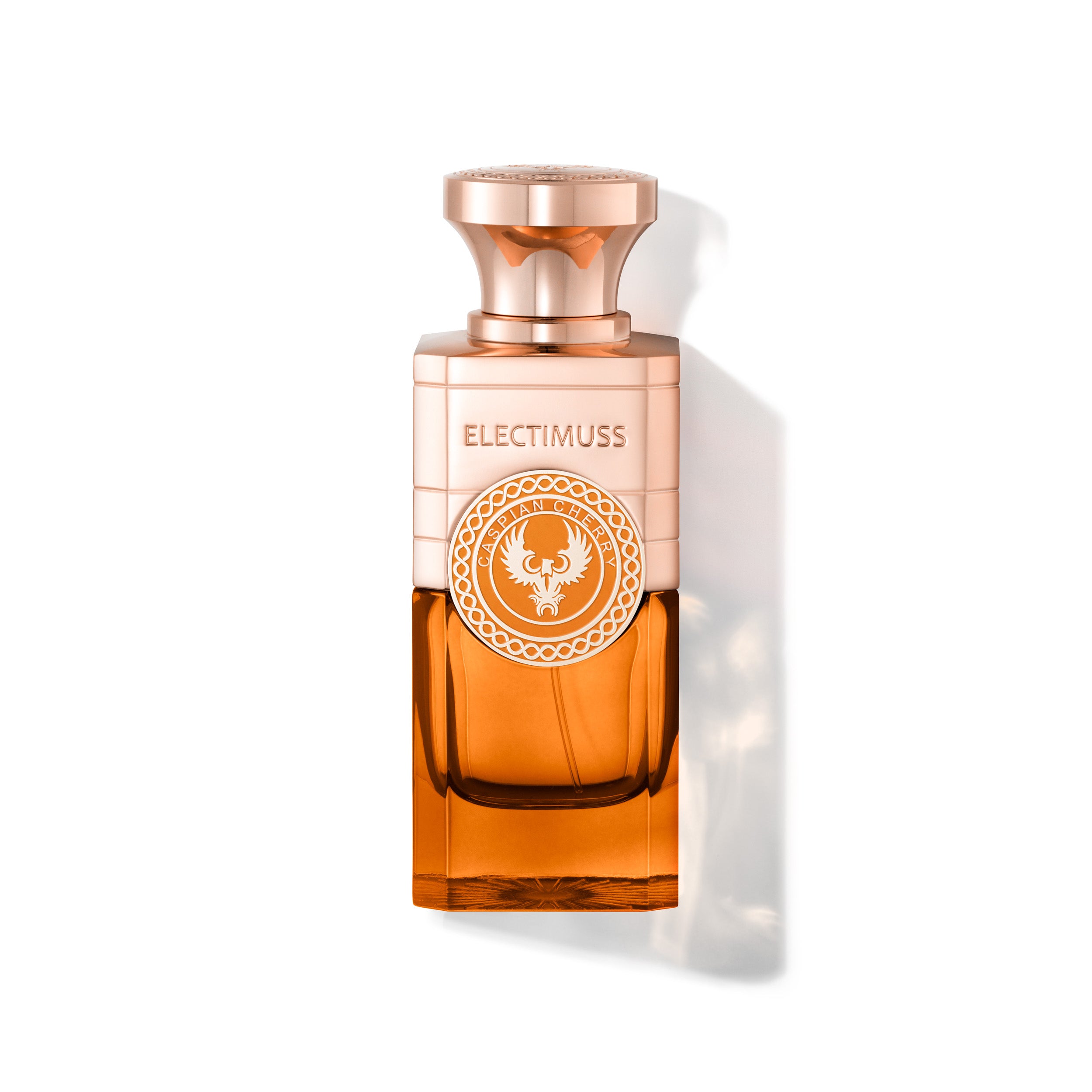
Caspian Cherry takes its name from where the Romans first found wild cherries. Amaretto and black cherry open against dark chocolate; honey, coconut, coffee and cinnamon build through the heart; white chocolate, sandalwood and tonka bean carry the dry-down. Perfumer Kévin Mathys built it as a dessert for a feast, and it wears like one — best after dark, best in cold air, and never in small doses by accident.
Top: Amaretto, Black Cherry, Dark Chocolate
Heart: Honey, Coconut, Coffee, Cinnamon
Base: White Chocolate, Sandalwood, Tonka Bean

The Fruity Gourmand
Sun-dried and sun-ripened fruit laid over a sweet base — date, fig, plum. Bright at the opening and warm underneath, this is the branch that delivers the comfort of a gourmand with the lift of a fruity fragrance. Because the fruit leads and the sugar follows, it is also the branch that survives heat.
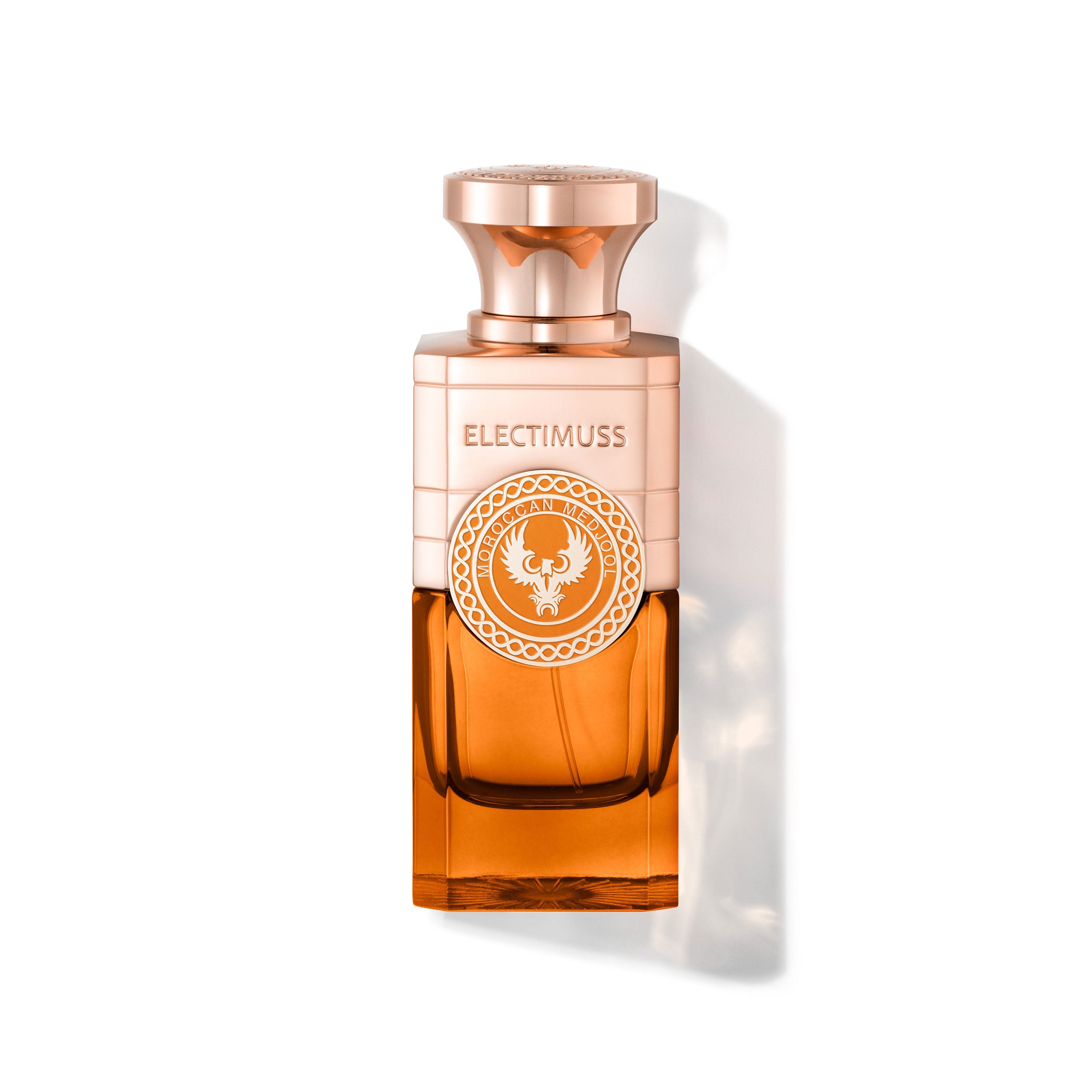
Moroccan Medjool follows the Romans into Mauretania and the discovery of the Medjool date. Grapefruit, lemon and bergamot open it bright before the dates arrive; rose, jasmine and ylang ylang soften the heart; vanilla, caramel, ambergris and cashmere wood hold the base. In warm weather the ambergris lifts and the fragrance stops sitting on the skin and starts belonging to it.
Top: Date, Grapefruit, Lemon, Bergamot
Heart: Rose, Jasmine, Ylang Ylang
Base: Vanilla, Caramel, Ambergris, Cashmere Wood

The Floral Gourmand
Tuberose, iris or rose laid over cream and caramel. Elegant, dressed and built for evening — the branch for anyone who finds pure vanilla too simple and pure white floral too austere.
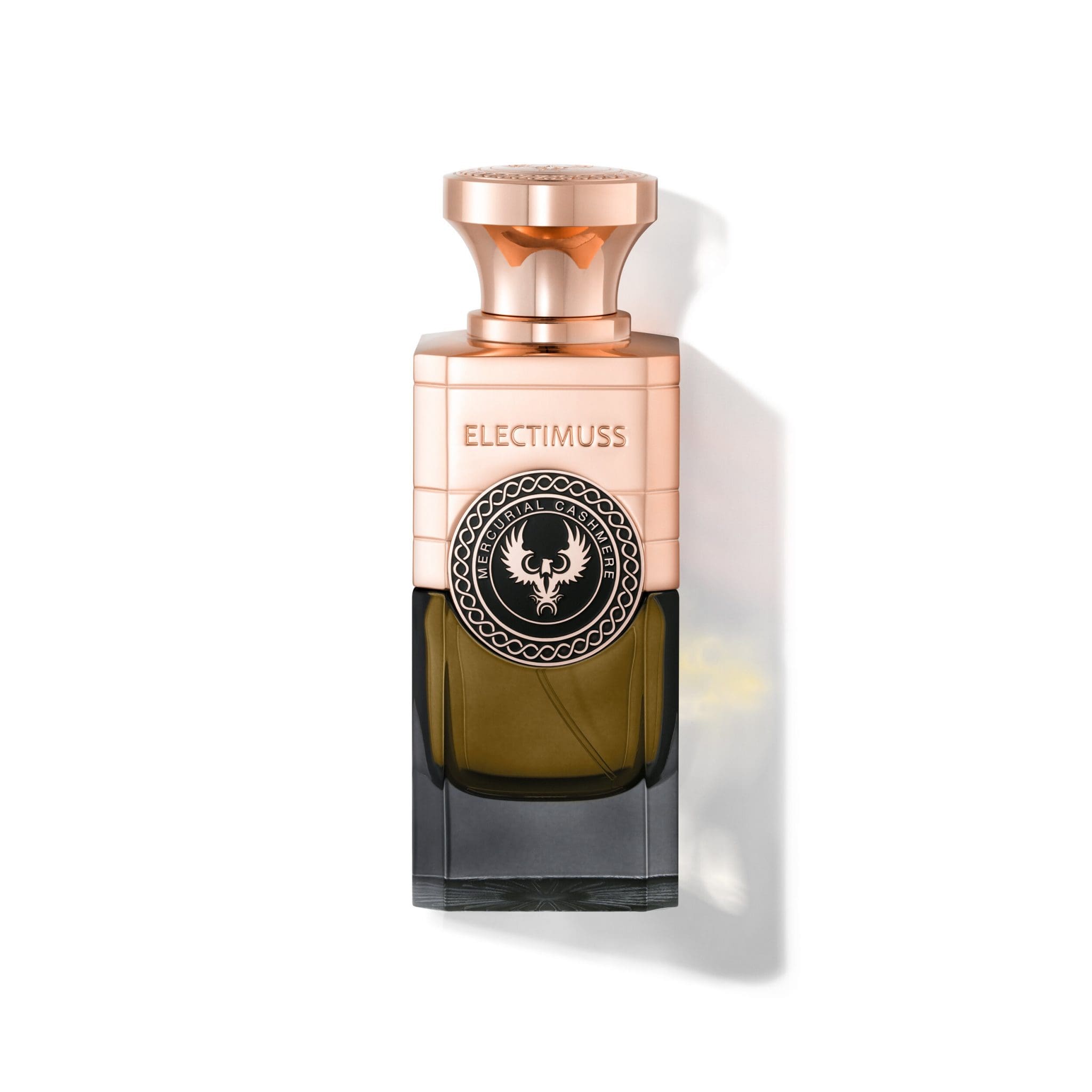
Mercurial Cashmere sets tuberose, a rich and faintly dangerous flower, on a bed of grey amber, with violet and iris around it. Pink pepper, bergamot and cardamom cut the opening; vanilla, caramel, tonka bean and cashmere wood build the addictive warmth that arrives late and stays. This is the fragrance to reach for at dinner, at the theatre, and any evening you intend to be remembered at.
Top: Pink Pepper, Bergamot, Cardamom
Heart: Tuberose, Grey Amber, Violet, Iris
Base: Vanilla, Caramel, Tonka Bean, Cashmere Wood
The Woody Gourmand
Sweetness anchored to oud, sandalwood or vetiver. This is the branch for anyone who wants the pull of a gourmand without the declaration — the wood keeps it discreet, and the discretion is the point.
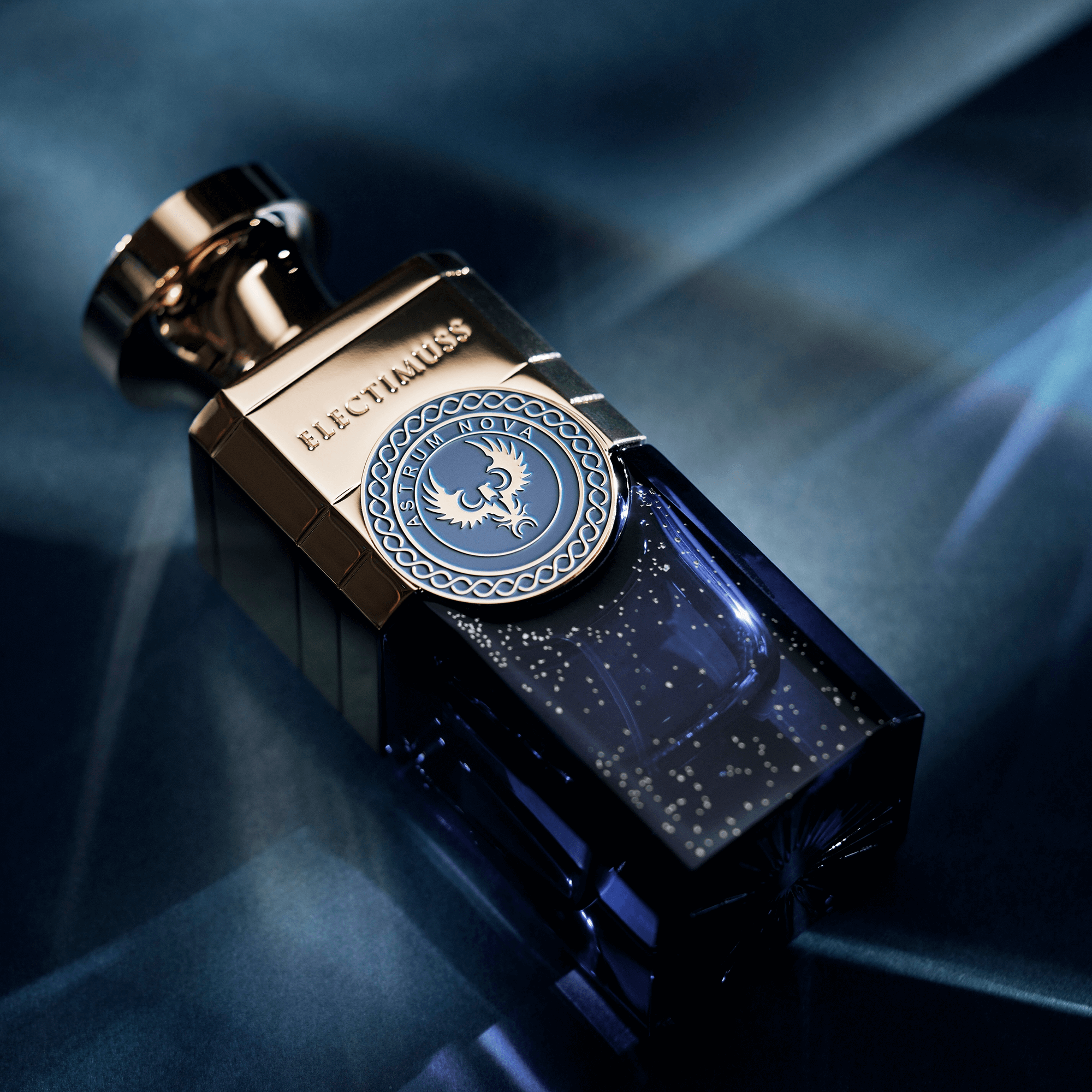
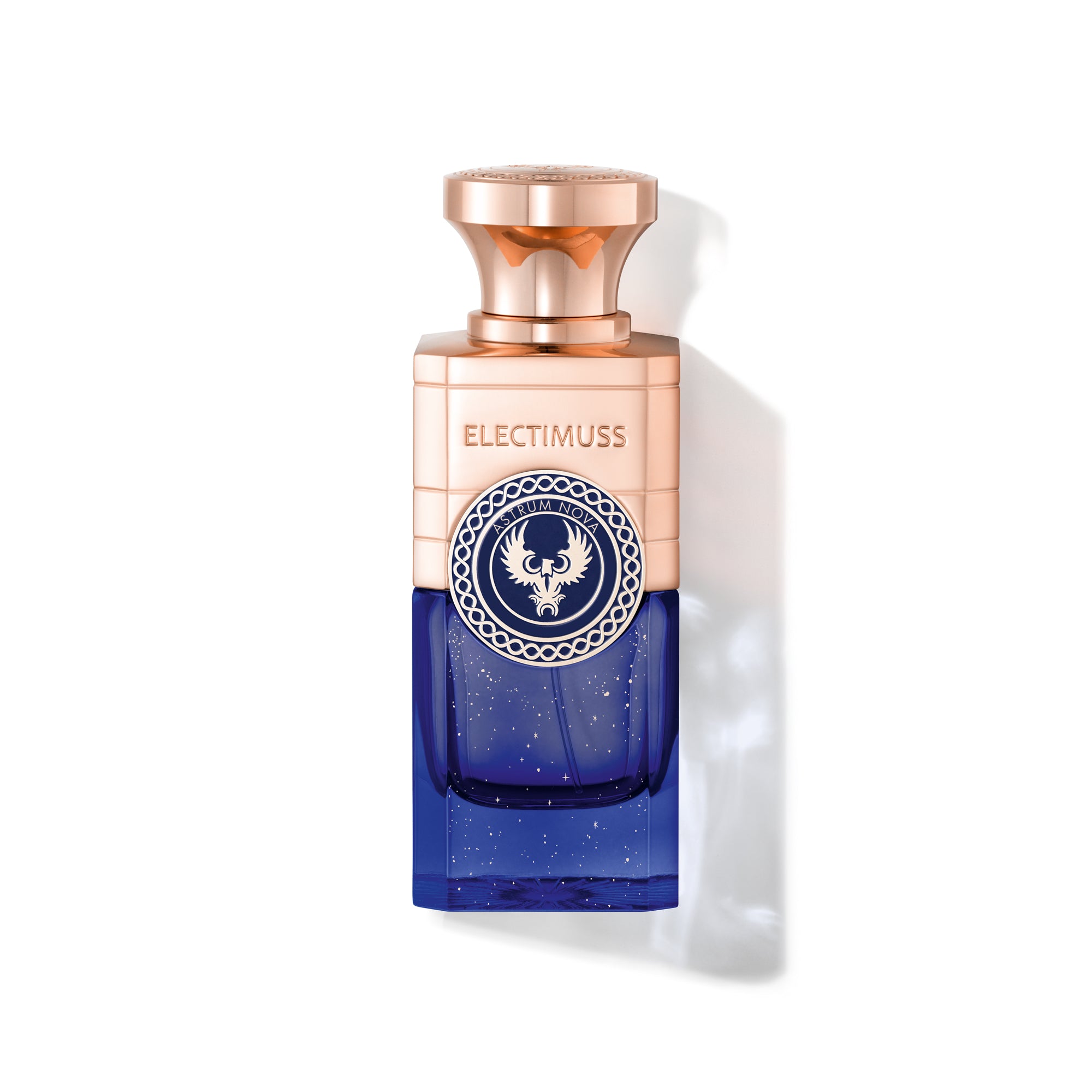
Astrum Nova opens on sunlit mango with bergamot, lemon and mandarin. Master Perfumer David Chieze built it to show oud's fruitier face: "It has a fruity side that really comes alive when paired with the right ingredients. That's why the juicy mango at the top is so noticeable; it blends perfectly with this aspect of the oud." Blackcurrant, osmanthus and orris carry the heart; oud, tonka bean, vanilla and musk give it the staying power that lighter fruity fragrances never have.
Top: Mango, Bergamot, Lemon, Mandarin
Heart: Blackcurrant, Osmanthus, Orris
Base: Oud, Tonka Bean, Vanilla, Musk

The Citrus Gourmand
The newest branch, and the one that answers the oldest objection to the family. Citrus gains rather than loses in heat, and set against a sweet base it stops a gourmand ever reading as cloying. If you have written gourmands off as too heavy, start here.
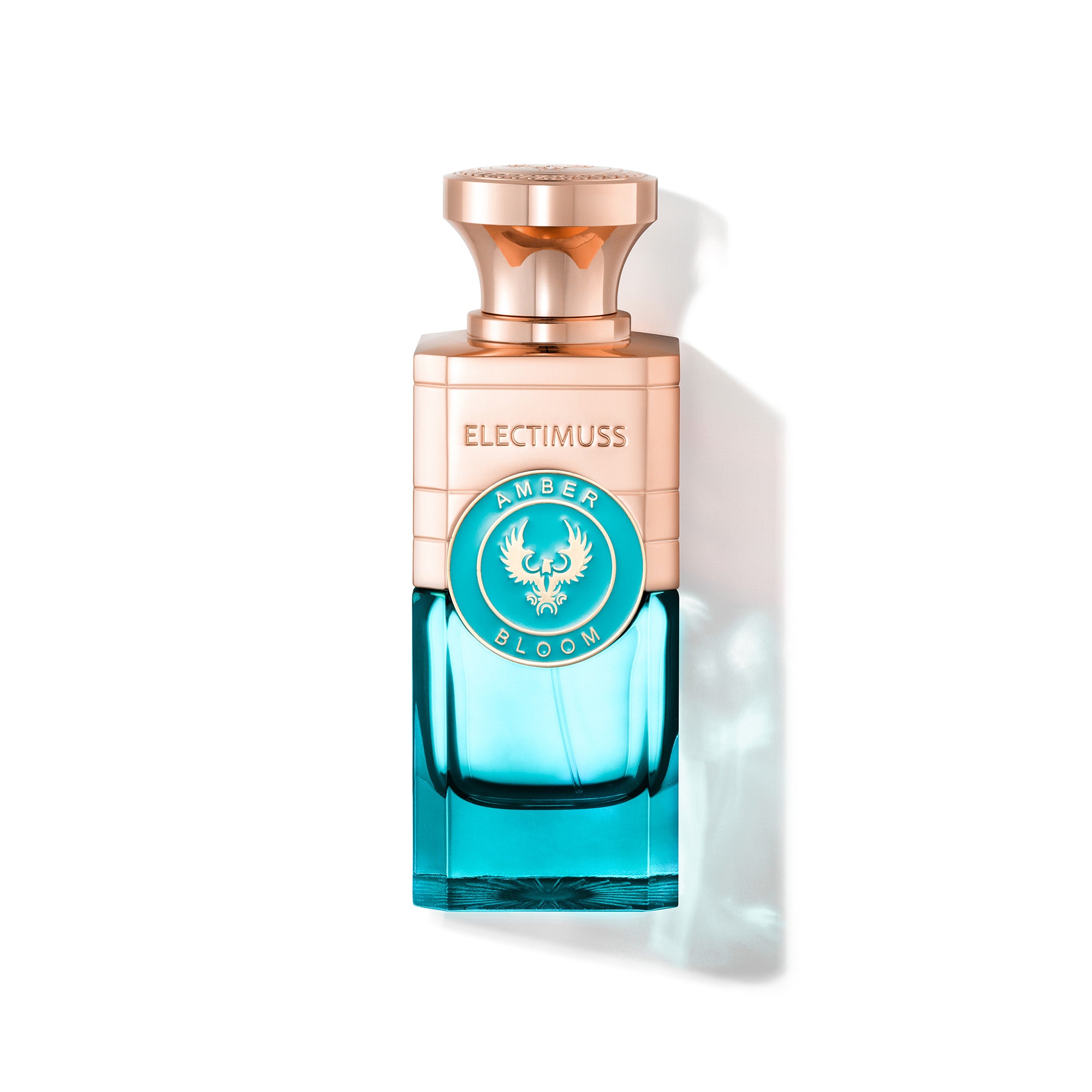
Amber Bloom, the first fragrance in the Auras Collection, opens on four citruses at once — lemon, grapefruit, mandarin and bergamot. Passionfruit and raspberry build the heart, cut with salt notes and lily of the valley so the sweetness never settles. Ambergris, tonka bean and musk hold the base long after lighter summer fragrances have gone. The lesson it teaches is the one that governs the whole family: fruit leads, sweetness supports.
Top: Lemon, Grapefruit, Mandarin, Bergamot
Heart: Passionfruit, Raspberry, Salt Notes, Lily of the Valley
Base: Ambergris, Tonka Bean, Musk
Our gourmand fragrances
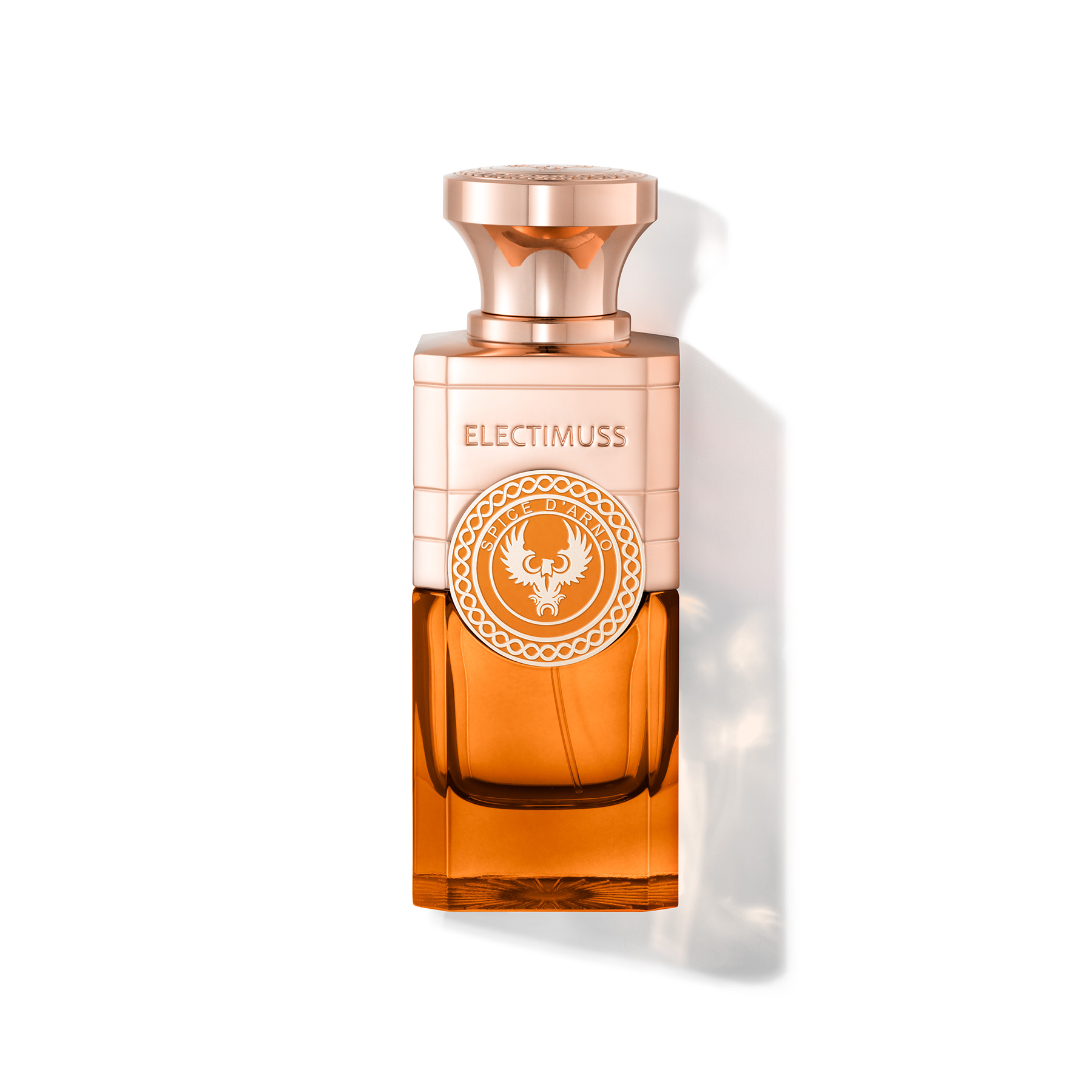
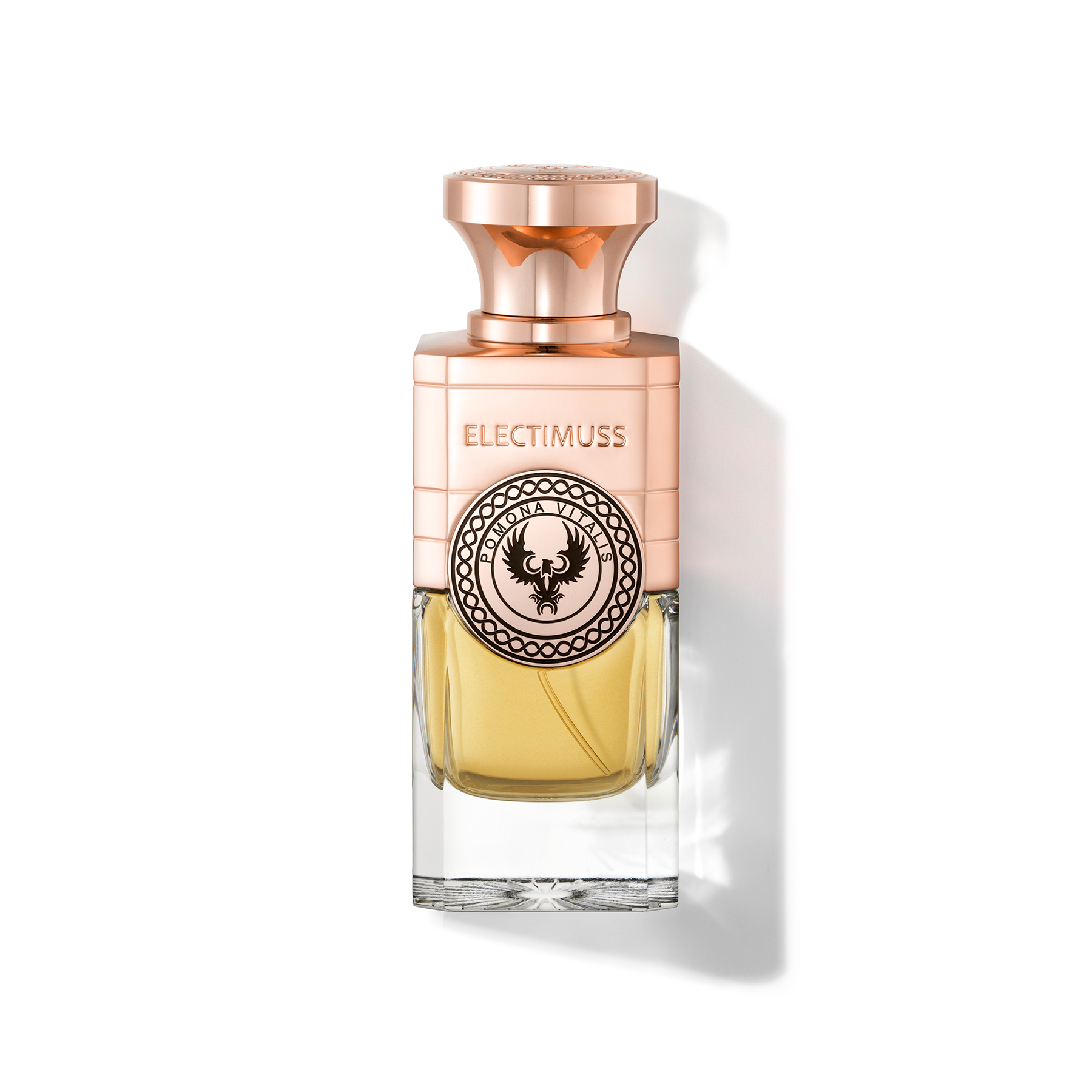
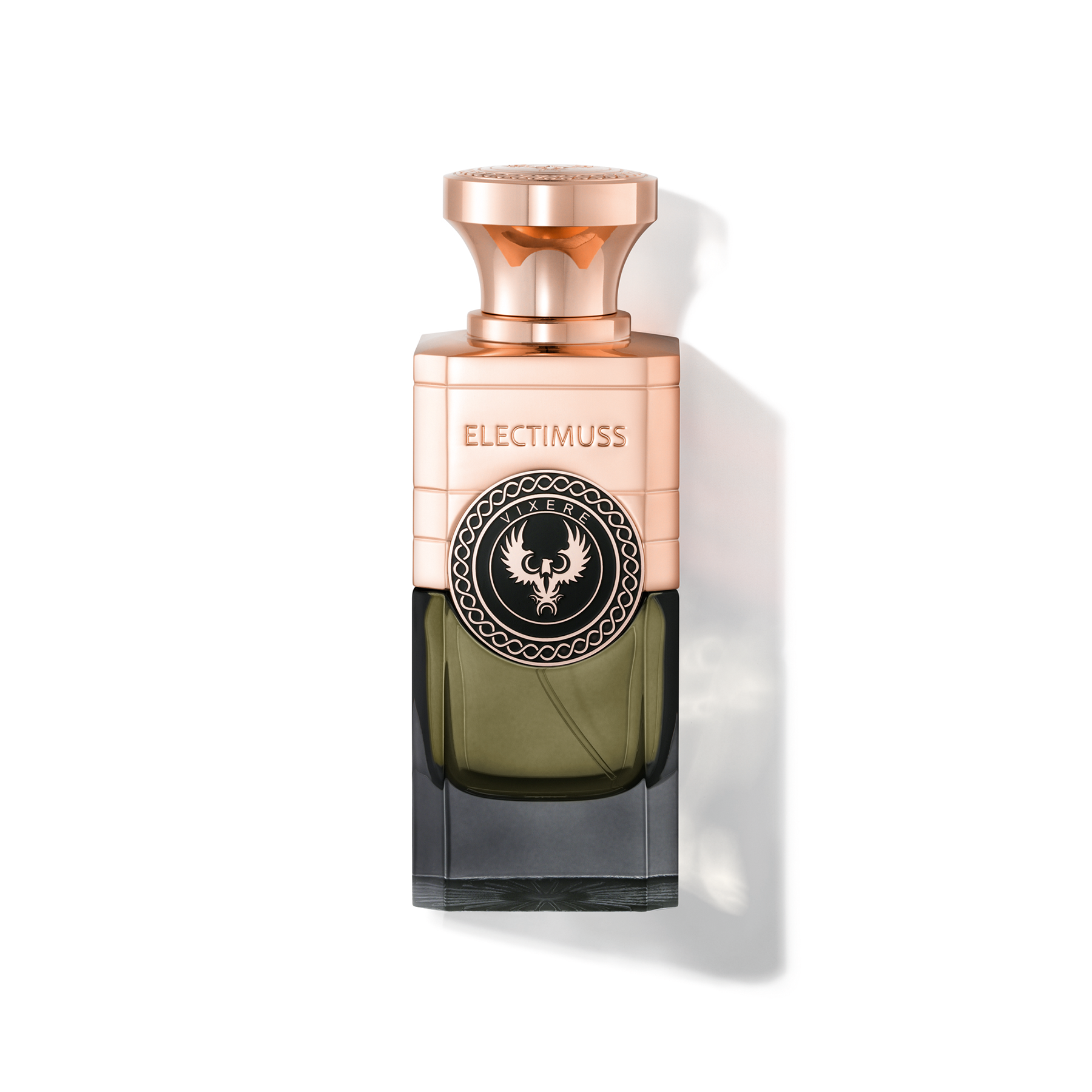
Why everyone is wearing gourmands
They work on memory, not just on taste. Olfactory signals reach the limbic system — the seat of emotion and memory — before the brain has processed them consciously. Edible notes are the most heavily loaded of all, because most of us met them first at a table, as children. A caramel accord borrows twenty years of association before it has done any work of its own.
They are the most legible fragrances in a room. Where a chypre or a fougère asks for some fluency to read, a gourmand communicates instantly. That accessibility is exactly why the category has grown fastest among those buying their first serious fragrance.
They reward concentration. Sweetness is heavy. In an eau de toilette it flares and disappears; in Extrait de Parfum, at 25–35%, the base has the density to carry it for a full day. The family gained ground at precisely the moment the market moved towards higher concentrations.
They stopped being feminine. The early gourmands were coded sweet and marketed to women. Dark chocolate, coffee, tobacco, rum and amaretto broke that open. Caspian Cherry is a fragrance about liqueur and bitterness as much as about cherry, and there is nothing gendered in it.
They answer the mood. Comfort has been the dominant register in taste for several years, across food, interiors and dress. Gourmands are its fragrance expression — and the newest hybrids, fruity and citrus gourmands especially, add the lift that keeps comfort from becoming heaviness.
When to wear a gourmand
Autumn and winter — the obvious case. Cold air holds fragrance molecules close to the skin. Vanilla, caramel, chocolate and amber gain body in low temperatures and last measurably longer. A dark gourmand in December is one of the great pleasures of the wardrobe.
Summer — the case worth making. Heat volatilises fragrance, which is why an unbalanced gourmand turns cloying in July. The answer is not to abandon the family but to choose within it. Amber Bloom opens on four citruses; Moroccan Medjool leads with bergamot and grapefruit before the dates arrive. Apply less, and let the heat do the projecting. We made this argument at length in The Summer Gourmand.
Evening over day. Gourmands have presence. A dark or floral gourmand belongs to dinner, to theatre, to the hours after six. For daytime, go fruity, go citrus-led, or go lighter on application.
Occasions that suit them: dinner and date nights, celebrations, cold-weather travel, and anywhere you intend to be remembered. Occasions to think twice: open-plan offices, long-haul flights, hospitals, and anywhere fragrance etiquette runs strict. Presence cuts both ways.
How to wear a gourmand properly
Use less than you think. An Extrait de Parfum at 25–35% is not an eau de toilette. Two sprays is a full wearing; three is a statement. Over-application is the single reason gourmands acquire a reputation for being sickly.
Place it on pulse points, not on clothing. Wrists, the base of the throat, behind the ears. Body heat is what unfolds a gourmand's base — sprayed onto fabric, it stays flat and never develops.
Never rub your wrists together. The friction shears the top notes and pushes the fragrance straight to its base. Spray, and let it settle.
Moisturise first. Sweet, resinous bases cling to hydrated skin and evaporate off dry skin. An unscented moisturiser applied beforehand can add hours.
Layer with contrast, not with more sweetness. The instinct is to stack gourmand on gourmand. Resist it. Put a woody, smoky or citrus fragrance underneath and let the gourmand sit on top — the contrast is what creates depth. Our guides to layering for winter and layering for spring set out the combinations we return to.
Let it develop before you judge it. A gourmand extrait is at its sweetest in the first fifteen minutes. The wood, resin and amber arrive later, and that is where the fragrance actually lives. Wear it for a full day before deciding.
Store it away from light and heat. Vanillic and resinous bases oxidise. Keep the bottle boxed, out of the bathroom and out of the sun.
Choosing your gourmand
Six routes into the family. If you would rather try before committing, the Discovery Set holds twenty extraits.
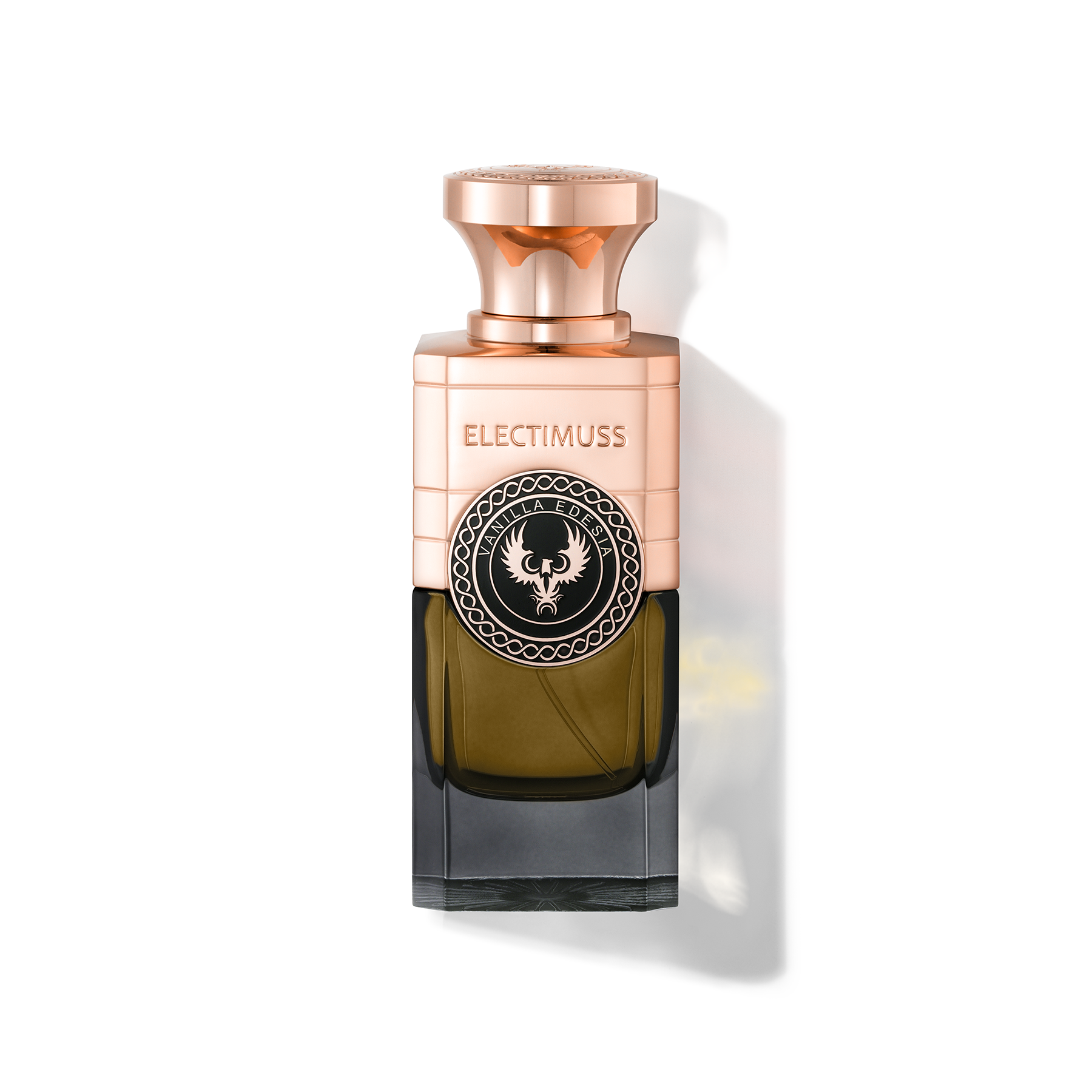
You love vanilla, undiluted
The purest statement of the note in the collection, named for the Roman goddess of feasting.
You want sweetness without the declaration
Mango and dark chocolate with oud beneath. Sweetness carrying real weight.
You want something bright enough for daylight
Four citruses into passionfruit, raspberry, salt and warm amber.
You want fruit, warmth and spice together
Medjool dates and bergamot, grounded in vanilla, caramel and ambergris.
You want an evening fragrance with a floral spine
Tuberose against grey amber, iris and tonka, built for the hours after six.
You want dark, adult and a little dangerous
Black cherry and amaretto over dark chocolate, honey and coffee.
Gourmand fragrances: your questions answered
What does gourmand mean in perfume?
Gourmand describes a fragrance built around edible notes — vanilla, caramel, chocolate, honey, coffee, tonka and ripe fruit. The word is French for one who enjoys eating well. It is a fragrance family in the same way floral, woody and chypre are families, and it is the most recent of them, dating to the early 1990s.
Are gourmand perfumes only for women?
No. The early gourmands were marketed to women and the association stuck for a decade. The modern category is built on chocolate, coffee, rum, tobacco, oud and liqueur — notes that carry no gender at all. Caspian Cherry and Astrum Nova are worn by everyone.
Do gourmand fragrances last longer?
Generally, yes. The molecules that carry gourmand accords — vanillin, coumarin, ethyl maltol, benzoin — are heavy, which means they evaporate slowly and sit low in the composition. In Extrait de Parfum concentration, at 25–35%, an Electimuss gourmand will typically last a full working day, and longer on moisturised skin.
Can you wear gourmands in summer?
Yes — choose within the family. Heat amplifies sweetness, so a dense vanillic gourmand can become heavy in high temperatures. Fruity and citrus-led gourmands are built for warm weather: Amber Bloom and Moroccan Medjool both open bright before the sweetness arrives. Apply one spray fewer than you would in winter.
What is a fruity gourmand?
A hybrid: bright fruit notes — cherry, date, raspberry, mango, passionfruit — laid over a sweet gourmand base of vanilla, caramel or tonka. It is the fastest-growing branch of the family, because it delivers the comfort of a gourmand with the lift of a fruity fragrance.
How do I stop my gourmand smelling sickly?
Three things. Use less — two sprays of extrait, not five. Apply to skin rather than clothing, so the base has heat to develop against. And choose a gourmand with real contrast in it: sweetness balanced by wood, oud, salt or citrus will never read as sugary, where sweetness on sweetness will.
What is the difference between a gourmand and an oriental fragrance?
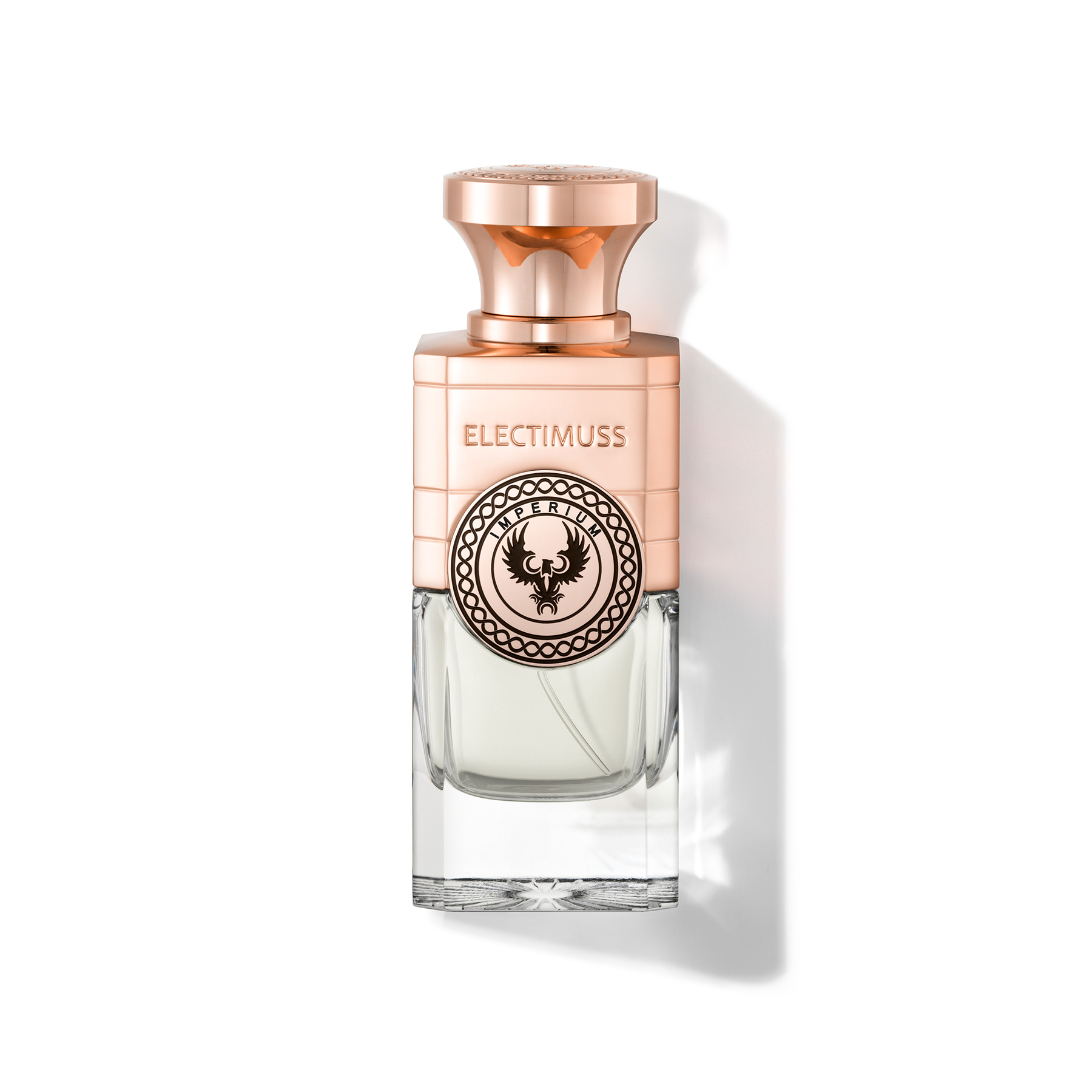
They overlap. Both are warm, sweet and resinous. The distinction is intent: an oriental is built on resins, balsams and spices — frankincense, benzoin, amber, cinnamon — while a gourmand is built on things you could eat. Many fragrances, Spice d'Arno and Imperium among them, sit deliberately across the two.
What should I layer with a gourmand?
Contrast, not more sweetness. A woody, smoky or citrus fragrance underneath, the gourmand on top. Spray the lighter fragrance first, let it settle for a minute, then apply the gourmand to the same pulse points.
How should I store a gourmand extrait?
In its box, away from sunlight and away from heat and humidity — which rules out the bathroom shelf. Vanillic and resinous bases oxidise faster than fresh compositions, and an unboxed bottle on a sunny windowsill will noticeably shift within a year.
Journal
Long-Lasting Summer Fragrances for Every Destination
Find the ideal long-lasting summer fragrance for your holiday, from radiant coastal citrus and salt to sophisticated scents created for warm evenings abroad.
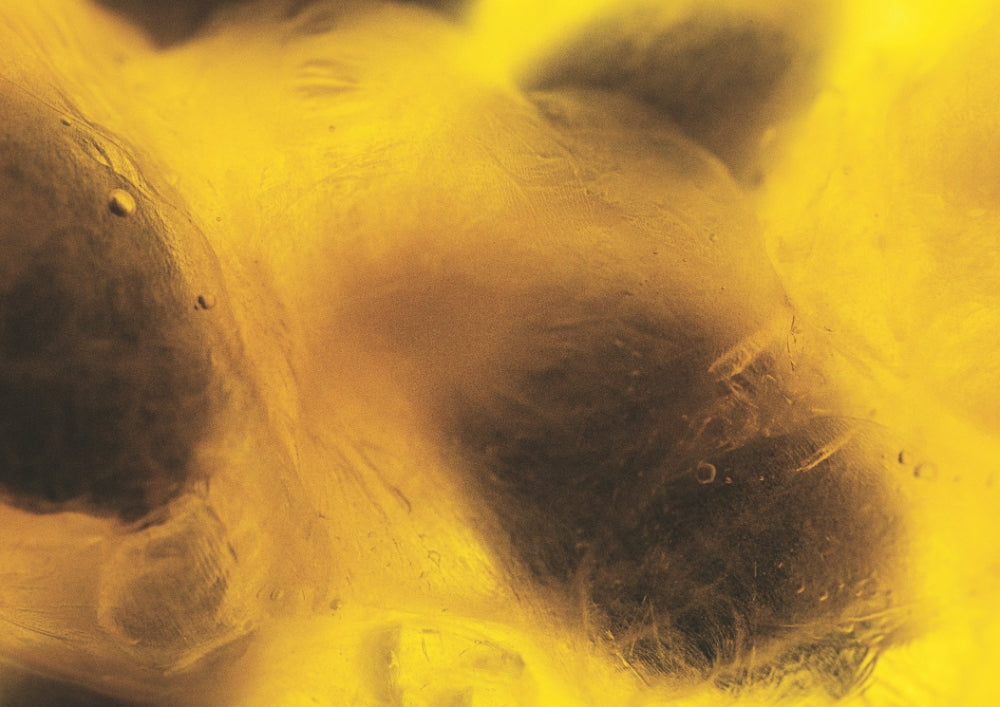
Amber Bloom: The Invisible Art Behind Our Bold New Citrus Fragrance
How do you capture a fragrance that cannot be seen? For Amber Bloom, a collaboration with photographer Justin Zoll and creative agency D8 transformed citrus perfume notes, salt, fruit and amber into a bold visual world shaped by science, artistry and scent.

The Ultimate Father's Day Luxury Fragrance Gift Guide 2026
Discover the perfect Father's Day fragrance gift. Explore Electimuss luxury perfumes, discovery sets & gift sets to honour the men who matter most.
Explore other ingredients
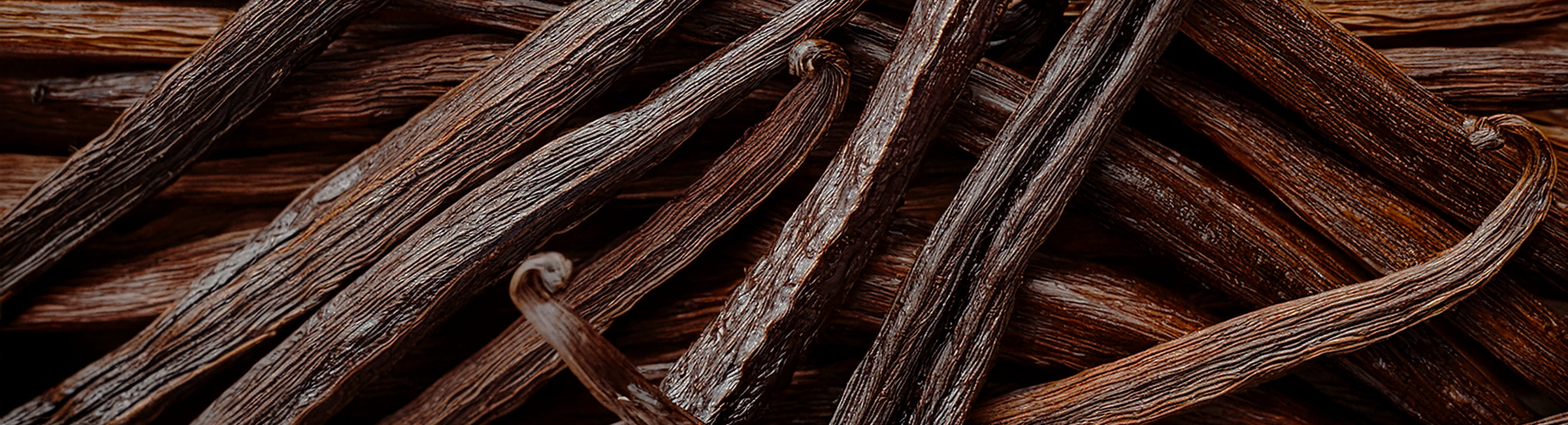
Vanilla
Where rich, smooth, creamy notes create a delightful and enchanting sweet layered scent experience.
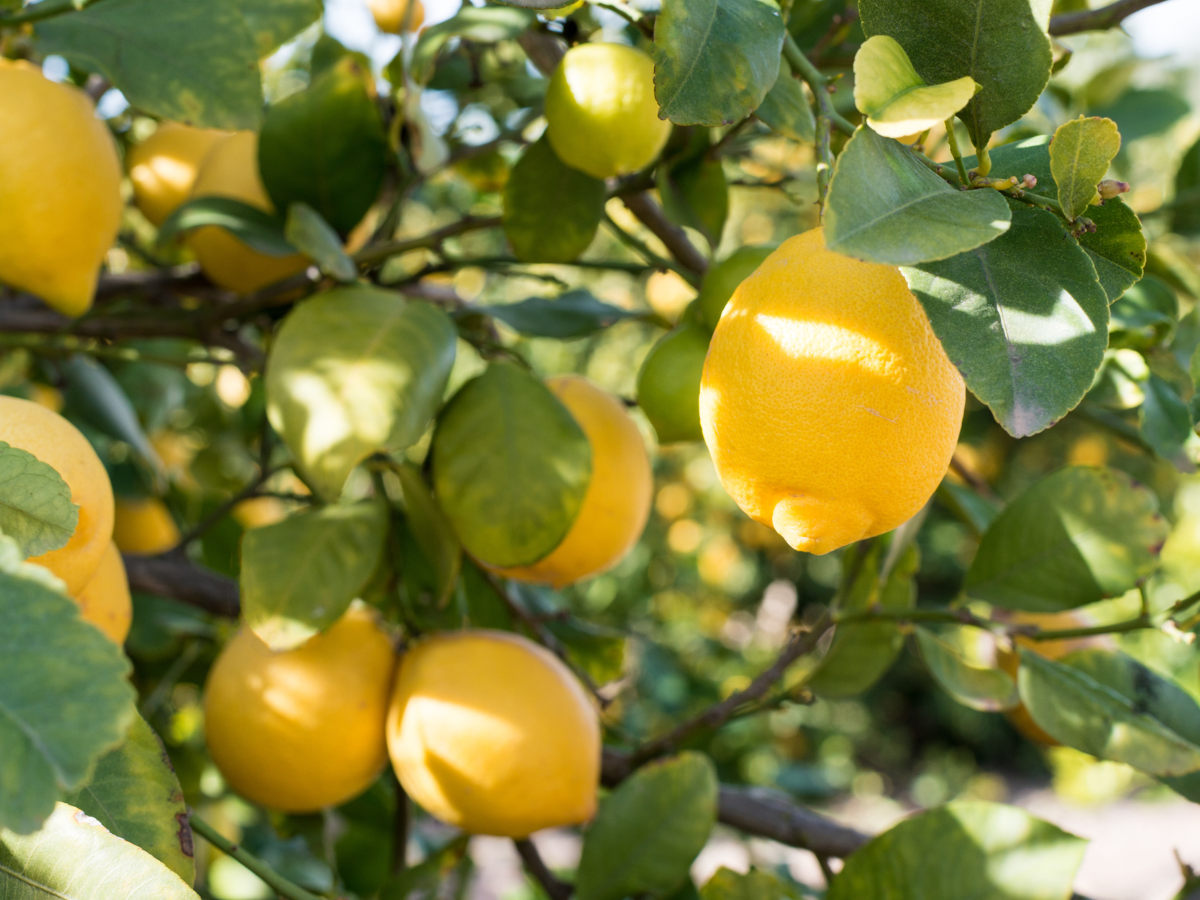
Citrus
The vibrant allure of citrus fragrances, where bright, tangy notes create an uplifting and energizing signature.
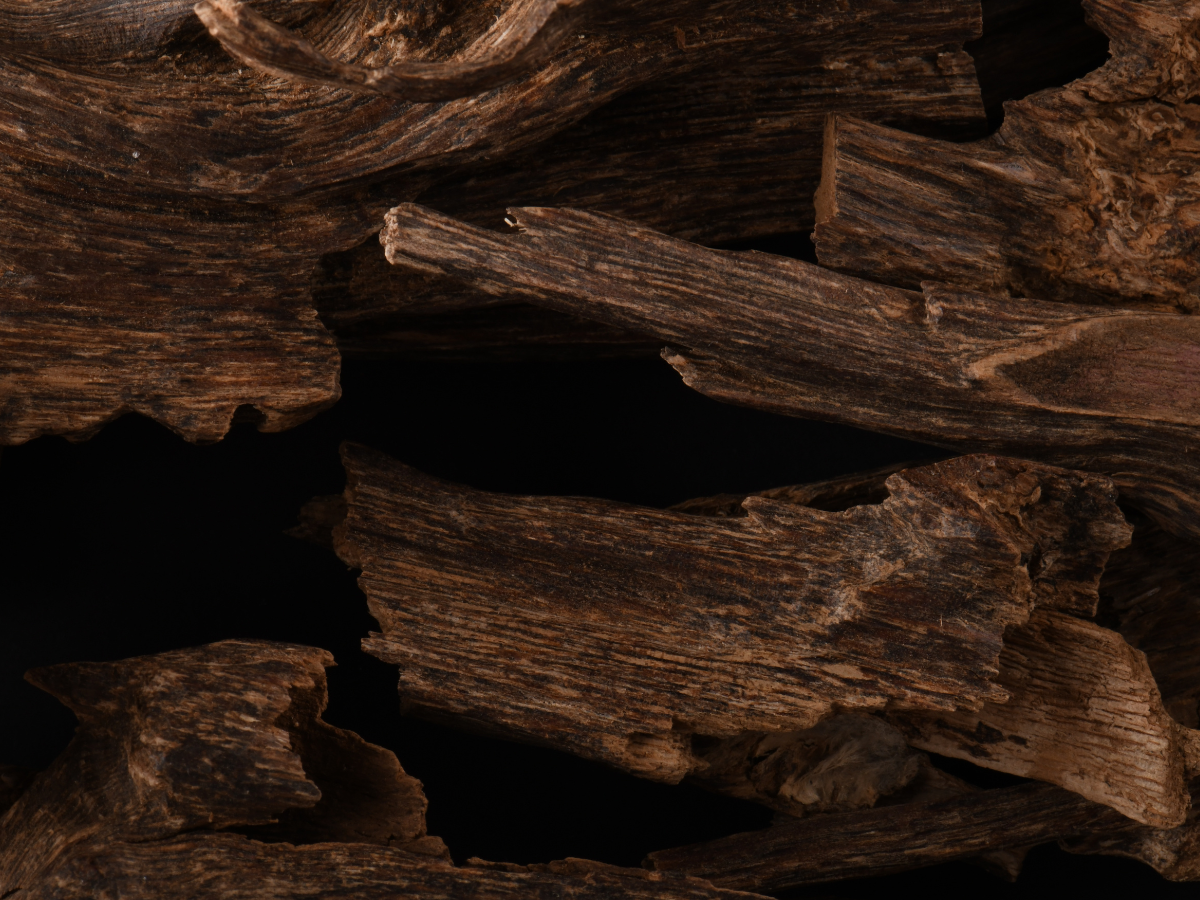
Oud
The rich, woody aroma of oud, where deep, resinous notes evoke a sense of opulence and timeless sophistication.
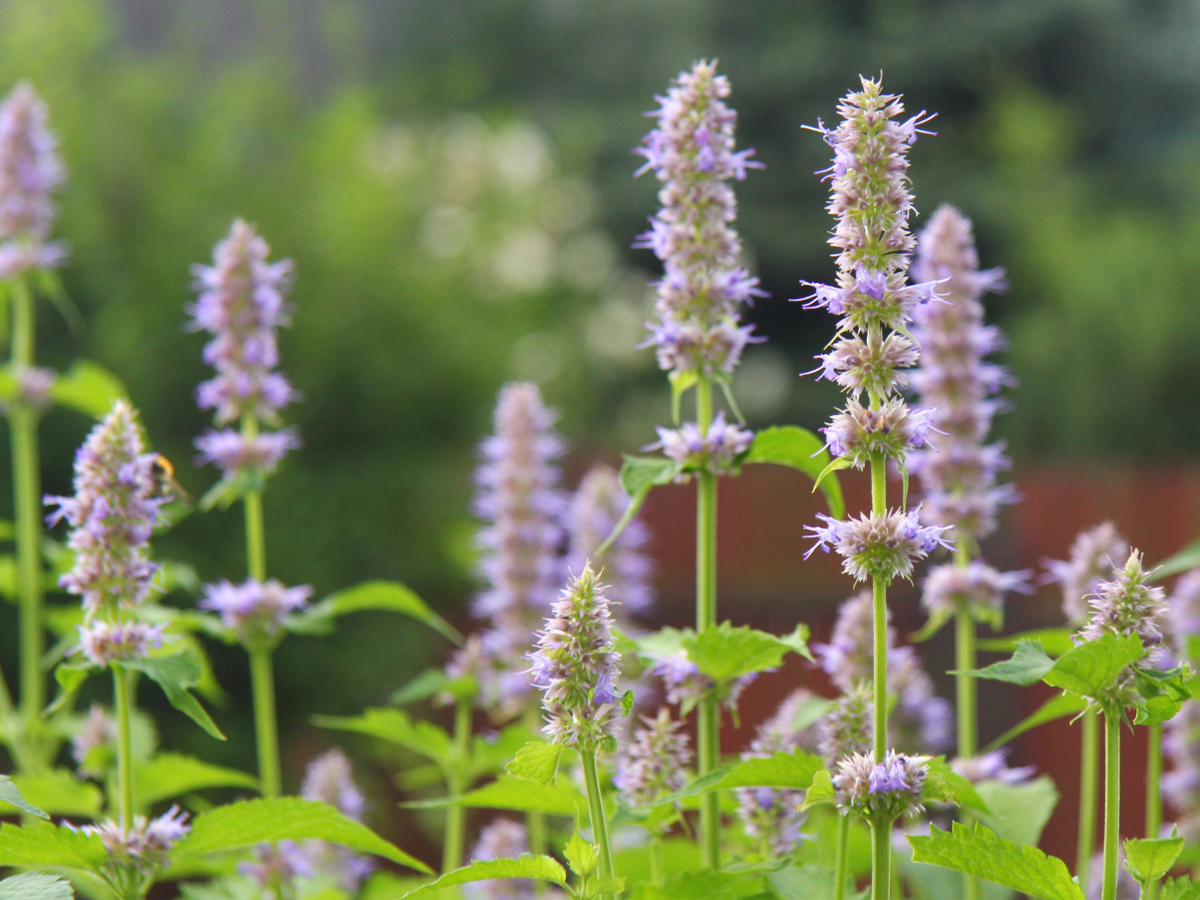
Patchouli
The distinctive and enchanting essence of patchouli, celebrated for its rich, exotic, earthy scent and intriguing depth.
Leather
Bold and elegant, leather is deep, rich and powerful, creating a refined and alluring scent experience for all.
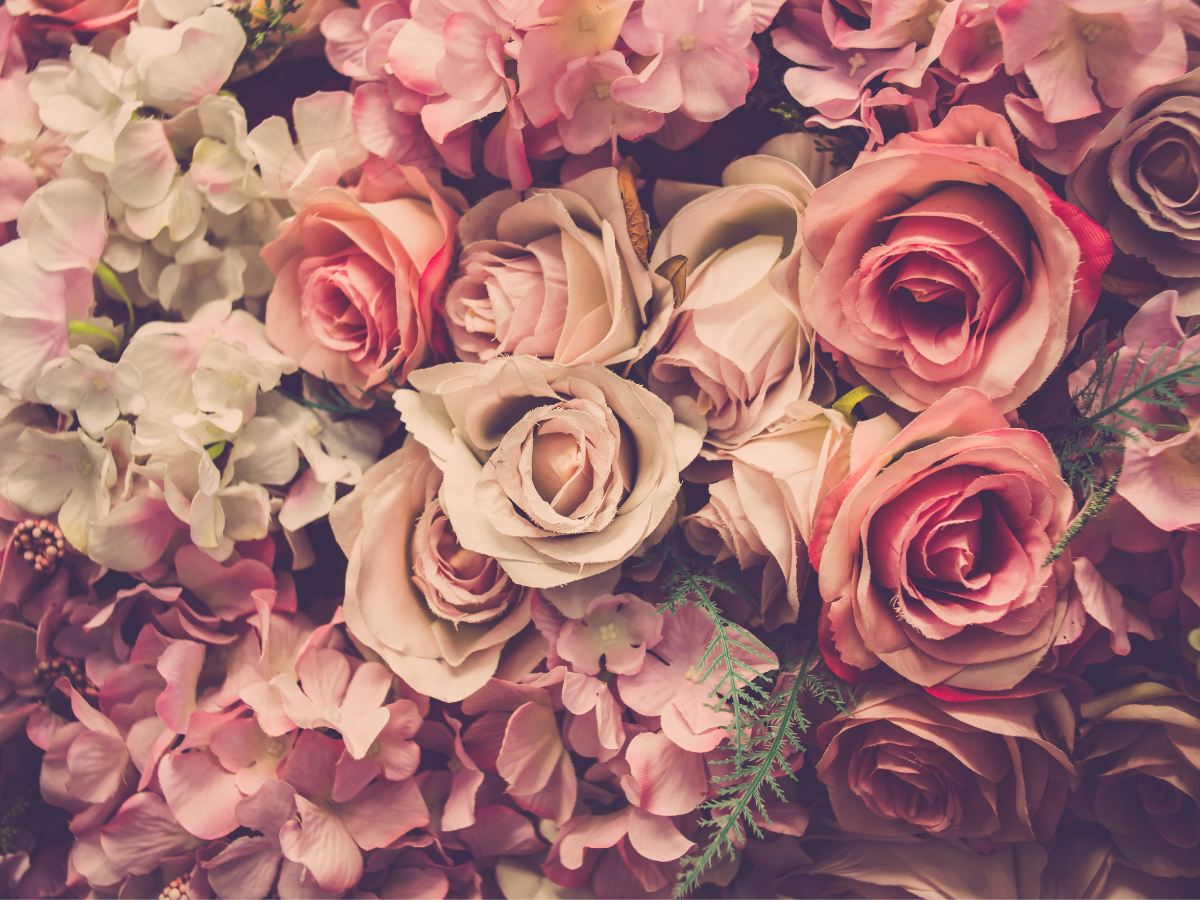
Rose
The timeless aroma of fresh blooms, is captivating, enchanting and classic symbol of elegance and romance.